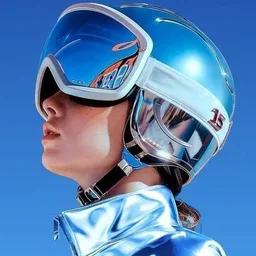
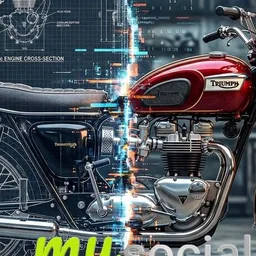
This prompt generates a casual, hand-drawn white overlay on an existing image, mimicking a quick pen sketch with wobbly, one-line strokes that outline the subject. The composition uses minimalist line art and hand-drawn typography to create a diary-like feel, with arrows, dotted lines, and subtle embellishments like steam, sparkles, hearts, and simple emoticons. The hand-drawn overlay remains effortless and airy, preserving negative space for a relaxed, stylish look. The lighting stays natural, while the white ink adds a soft, organic texture that contrasts with the photo. #handdrawn #overlay #minimalist #casualart
Rendered in a refined hand-drawn illustration style, this museum-quality poster captures the essence of a travel landmark through delicate ink outlines and soft watercolor washes. The warm ivory background and vintage color palette evoke a sense of understated luxury, while architectural sketch lines and subtle halftone textures add depth. Generous negative space and tasteful typography create a balanced editorial composition, perfect for a collectible print. #travelposter #editorialillustration #vintageprintmaking #minimalistdesign
Create a sophisticated minimalist editorial art poster featuring [Subject] as the central subject, inspired by premium travel photography and refined hand-drawn illustration.

Preserve the subject’s recognizable identity, proportions, silhouette, defining details, and visual character. Combine realistic elements with elegant artistic interpretation.

Use a warm ivory paper background with a limited vintage color palette inspired by the subject’s location or personality. Add delicate ink outlines, architectural sketch lines, subtle hatching, halftone texture, faded print effects, and soft watercolor-like washes.

Create a sense of visual storytelling by incorporating subtle surrounding elements connected to the subject — such as [City / Country / Culture / Profession / Landmark Details / Nature] — while maintaining generous negative space and a clean luxury-editorial composition.

Add small, tasteful typography:
[Name / Landmark]
[City / Country]
[Short Descriptor / Year / Coordinates]

Style: museum-quality travel poster, contemporary editorial illustration, vintage printmaking, refined hand-drawn detail, understated luxury, sophisticated composition.

No unnecessary objects, no clutter, no distorted features, no exaggerated proportions, no generic stock-art appearance.

Format: 4:5 vertical, high-resolution, premium collectible poster aesthetic.

[Subject] reimagined as a timeless visual story.
This template turns any place or mood into a quiet, magazine-worthy poster: a soft photographic scene a rainy street, a sunny coastal terrace, a snowy alpine village paired with a large hand-lettered title like "Rainy Day" and a small editorial caption. The low-saturation palette and paper grain give it a calm, tactile, collectible feel.
Three things make it work. First, the restrained palette of misty gray, warm beige and cream keeps the image cohesive and lets the typography breathe. Second, the 22–30% negative space is specified explicitly, which prevents clutter and gives the layout its editorial elegance. Third, the mix of a retro bubble-style main title with a refined serif or typewriter caption creates a clear hierarchy, while subtle film grain and paper texture add a printed, tactile quality.
To remix it, swap the subject for a city, a season or even an object, and let the prompt pick the palette from it. You can also change the aspect ratio for a wider banner, or replace the hand-lettered title with a clean serif for a more formal look.
Create one premium 3:4 vertical editorial art poster for [COUNTRY / LOCATION / SUBJECT]. TEXT-TO-IMAGE GENERATION ONLY. Generate the complete artwork from [COUNTRY / LOCATION / SUBJECT] alone. No reference image or additional visual input is required. Automatically interpret the subject and create a visually compelling composition that reflects its character, atmosphere, appearance, setting, colors, and distinctive visual identity. LOWER SECTION: Use a refined background palette inspired by [COUNTRY / LOCATION / SUBJECT], using limited low-saturation tones such as misty gray, warm beige, light khaki, cream white, dusty rose, or soft gray-pink, selecting only the colors that naturally suit the subject. Keep approximately 22–30% continuous negative space. Avoid complicated scenery, excessive objects, sticker-like elements, or meaningless decoration. TYPOGRAPHY: Create a sophisticated editorial typography system based on the subject. Automatically generate a short main title inspired by the subject's appearance, mood, action, or personality. Add one natural 8–16 word English sentence written like a subtle editorial note or magazine caption. Use a carefully designed hand-drawn or retro bubble-style font for the main title. Use smaller refined typography for supporting text, such as an elegant serif, subtle typewriter style, or delicate book-inspired font. Create clear hierarchy, breathing room, and intentional spacing. Typography should feel integrated into the artwork rather than simply placed on top. VISUAL STYLE: Keep the overall palette restrained and cohesive, with subtle film grain, tactile paper texture, and a gentle printed-editorial quality. Allow slight asymmetry and imperfect positioning to create a sophisticated independent-magazine aesthetic without making the composition messy. IMPORTANT: Keep the main subject recognizable and naturally proportioned. Do not cartoonize the person or subject. Avoid: multiple mascots, existing animated characters, brand logos, QR codes, watermarks, signatures, gibberish text, incorrect hands, extra limbs, excessive decoration, cheap templates, overly cute styling, or cluttered compositions. FINAL LOOK: The finished artwork should feel like a premium independent fashion magazine, contemporary art publication, or sophisticated editorial ZINE—minimal, tactile, slightly imperfect, modern, and visually intelligent. STRICT 3:4 VERTICAL | TEXT-ONLY GENERATION | RESTRAINED COLORS | 22–30% NEGATIVE SPACE | PREMIUM EDITORIAL TYPOGRAPHY | SUBTLE FILM GRAIN & PAPER PRINT TEXTURE. Generate everything autonomously from [COUNTRY / LOCATION / SUBJECT] alone.
This editorial design captures Tokyo's dynamic essence through a bold collage composition of iconic elements: Shibuya Crossing, Senso-ji Temple, and sushi motifs. Translucent shapes in red, indigo, and gold create layered paper cut art, with English and Japanese typography intertwining. Playful stick figures add whimsy. Perfect for gallery-shop zines and modern art posters. #Tokyo #ZineArt #JapaneseDesign #CollagePoster
Create a premium contemporary editorial art poster for [LOCATION] in a playful Japanese design-ZINE style.

FORMAT: Vertical 3:4 | High resolution | Modern editorial art

Automatically choose the most iconic and visually interesting-elements of [LOCATION]-landmarks, architecture, streets, landscapes, food, nature, transportation, or cultural details—and build the artwork around the strongest subject.

Use a bold full-frame collage composition, with the main subject occupying about 70–90% of the image. Combine dramatic crops, enlarged details, cutout elements, layered paper shapes, small image fragments, irregular edges, and overlapping graphics. Avoid large empty spaces, but keep everything clean and professionally art-directed.

Automatically extract 2–4 signature colors from the character of [LOCATION] and use them for translucent shapes, circles, brush strokes, watercolor marks, lines, arrows, symbols, and small hand-drawn motifs.

Add a strong combination of English + Japanese typography:

A short, original English title inspired by the location

A complementary Japanese title expressing its mood or story

2–4 small Japanese editorial captions

Minimal English/Japanese details such as place, season, date, or atmosphere

Use elegant serif or modern sans-serif English typography and refined Japanese Mincho or Gothic lettering. Allow some text to overlap the imagery or extend slightly beyond the frame for an editorial feel.

Add one small handwritten Japanese message, naturally drawn with a thin black pen, inspired by the scene.

Include 5–10 tiny black stick figures throughout the design. Give each a different playful action—climbing letters, pulling arrows, carrying shapes, observing the landmark, sitting on the image edge, holding a tiny flag, or interacting with the artwork. Keep them small and subtle, with only a few using accent-colored accessories.

FINAL LOOK

Make it feel like a lively little magazine created from [LOCATION]—a sophisticated combination of contemporary Japanese design, independent magazines, art books, fashion editorials, and gallery-shop ZINEs.

Bright, fresh, artistic, playful, and highly polished. Not a traditional tourist poster, generic advertisement, vintage poster, or ordinary AI illustration.
Four legendary supercars the Ferrari F40, Lamborghini Countach 5000 QV, Porsche 959, and McLaren F1 appear as collectible vintage engineering posters. Each car gets a realistic 3/4 hero view surrounded by front, side, rear, and top technical drawings, all printed on aged cream paper with faded ink and subtle fibers. The result feels like a genuine factory document from the 1980s or 1990s, full of mechanical detail and period charm.
This prompt works because it layers precise art direction. The aged cream paper with subtle fibers and faded ink instantly creates an archival, tactile quality. The pencil-and-ink technical illustrations blended with realistic automotive rendering balance hand-drawn warmth with photographic accuracy. Numbered callouts, arrows, and measurement lines add authentic engineering credibility, while the 16:9 landscape ratio gives each poster a wide, gallery-ready composition.
To remix it, swap the four supercars for a different era 1960s muscle cars or modern hypercars and adjust the paper tone or ink color to match. You can also change the aspect ratio to 4:5 for a portrait poster, or focus on a single car for a more intimate technical study.
Create a collectible vintage automotive engineering poster featuring four legendary classic supercars: Ferrari F40 (1989), Lamborghini Countach 5000 QV (1985), Porsche 959 (1986), and McLaren F1 (1994).

Use an aged cream paper background with subtle fibers, faded ink, pencil-and-ink technical illustrations and authentic 1980s–90s factory-document aesthetics. Give each car a prominent realistic 3/4 hero view, surrounded by front, side, rear and top technical drawings with dimensions.

Include concise specification panels explaining each car’s engine, horsepower, torque, drivetrain, suspension, brakes, aerodynamics, weight, acceleration and top speed. Add detailed mechanical illustrations of the engines, chassis and drivetrain, plus small studies of headlights, wheels, brakes, intakes, spoilers and interiors.

Use numbered callouts, arrows, measurement lines, engineering annotations and period-style typography. Make the information feel like an authentic factory engineering sheet rather than a modern infographic.

Highly detailed, realistic automotive rendering blended with hand-drawn technical artwork, sophisticated archival print texture, 16:9 landscape, ultra-high resolution.